TSI Debt Collection: Is It Legit and What Should You Do?
Learn why TSI may contact you, how to verify the debt, what protections apply, and which response best limits financial and legal risk.
TSI usually refers to Transworld Systems Inc., a debt collection company, but a recognizable name does not prove that a specific call, letter, balance, or payment request is valid. Confirm the collector, trace the account to the original creditor, and review the supporting records before paying or acknowledging liability.
No time to read?
- TSI commonly refers to Transworld Systems Inc, an established accounts receivable management and collection company.
- A legitimate company name does not automatically prove that a specific call, letter, balance, or payment instruction is accurate.
- Confirm the original creditor, balance, account ownership, and whether the obligation is consumer or commercial before paying.
- Respond in writing, preserve every record, and compare validation, dispute, negotiation, and legal-review options before acting.
What is TSI, and why might it be contacting you?
November 30, 2021: The CFPB Debt Collection Rule took effect. Source: Consumer Financial Protection Bureau.
tsi debt collection usually means collection activity conducted by Transworld Systems Inc. TSI may collect an account for the original creditor, service it for another debt owner, or pursue a debt that has been transferred or sold. Those arrangements do not automatically establish that the amount is accurate or that you owe it.
Use TSI’s official website, located independently rather than through a message link, to confirm the company’s contact information. Then identify the original creditor, the current owner of the debt, and TSI’s authority to collect it.
How can you tell whether the notice or call is genuine?
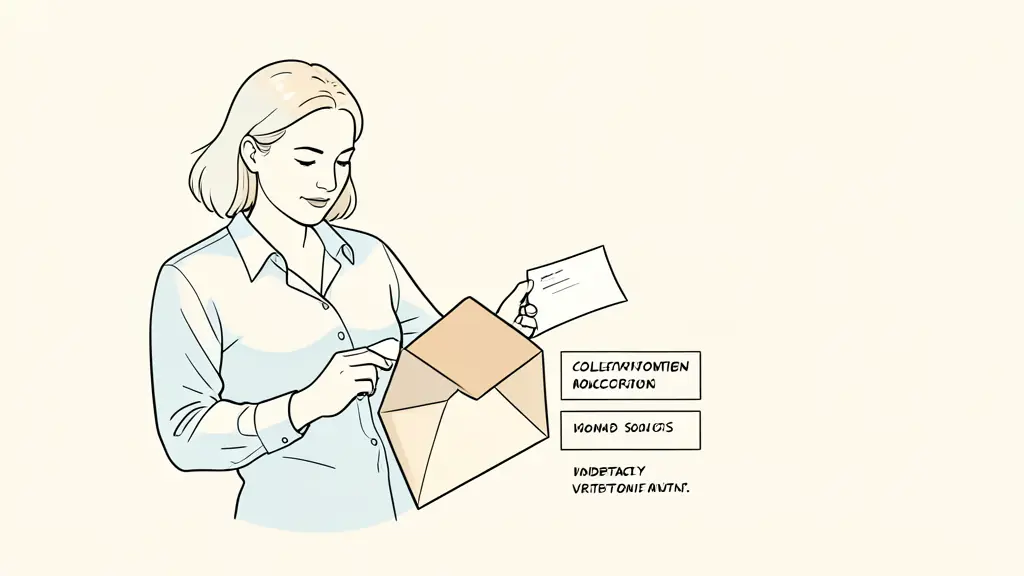
Check the contact against an official channel you found independently. Do not rely solely on a phone number, email address, QR code, or link supplied in the notice. A genuine-looking letter can still contain an incorrect or unauthorized claim.
Treat the notice as an annotated document and highlight:
- Collector: Does it identify the TSI collection agency clearly?
- Creditor: Is the original creditor named?
- Amount: Does the balance match your records?
- Mailing address: Does it match an independently verified address?
- Dispute information: Does the notice explain how to challenge the debt?
- Response deadline: Is a specific date stated?
Stop if the caller demands gift cards, cryptocurrency, or another unusual payment method.
What details should you validate before paying?
Effective November 30, 2021: The CFPB Debt Collection Rule governs covered consumer debt collection communications and disclosures. Source: Consumer Financial Protection Bureau.
Turn the debt validation notice into an account audit. Compare every claim with contracts, invoices, payment confirmations, and accounting records.
- Original creditor and current debt owner
- Account or invoice number
- Itemized principal, interest, fees, and credits
- Service, purchase, default, and transfer dates
- TSI’s authority to collect or service the account
- Prior payments, adjustments, returns, or credits
- Person or legal entity allegedly liable
Do not assume a balance belongs to you because the account name looks familiar. A personal consumer debt and a company debt can trigger different legal protections. Confirm which party signed the agreement and whether any personal guarantee exists.
Which federal protections apply to consumer and business debts?
November 30, 2021: The CFPB Debt Collection Rule became effective. Source: Consumer Financial Protection Bureau.
The Fair Debt Collection Practices Act and the CFPB’s Regulation F primarily address debts incurred for personal, family, or household purposes. They generally do not cover obligations incurred for business purposes.
That distinction matters when you dispute a debt. A consumer account may carry federal notice, communication, and dispute protections that do not apply in the same way to a commercial invoice. State collection laws, contract terms, licensing rules, and court procedures may still affect either category.
Verify the law in your state. Consult an attorney if the liable party is unclear, a response deadline is approaching, a personal guarantee is involved, or TSI threatens or files litigation.
Should you validate, dispute, negotiate, or seek legal help?
Match your action to the evidence rather than reacting to collection pressure.
| Situation | Action | What to request or preserve |
|---|---|---|
| Account is unfamiliar | Verify | Creditor identity, contract, itemization, and collector authority |
| Amount or ownership appears wrong | dispute a debt | Written dispute, account records, and delivery proof |
| Debt is supported but unaffordable | Negotiate | Written terms, payment schedule, and settlement conditions |
| Lawsuit, expired deadline, or disputed liability | Seek legal help | Notices, contracts, court papers, and communication logs |
| Inaccurate credit report collection | Challenge reporting | Reports, bureau disputes, furnisher responses, and results |
Simple flowchart:
Unfamiliar account → Validate
Error found → Dispute in writing
Accurate but unpaid → Evaluate negotiation
Legal threat or unclear liability → Contact counsel
Keep every letter, envelope, email, statement, call note, and payment record. Validation, negotiation, or payment does not guarantee deletion, settlement, or a favorable legal outcome.
How should you respond without admitting an unverified balance?
Respond promptly, but keep the language controlled:
- Acknowledge receipt of the communication.
- Request the contract, itemized balance, payment history, creditor identity, and collection authority.
- Identify specific disputed points without speculating.
- Require future communication in writing.
- Send the response through a trackable method and retain delivery proof.
Use a neutral script:
“I received your communication regarding the referenced account. I am reviewing the claim and request supporting records showing the original creditor, responsible party, itemized balance, account history, and your authority to collect. I dispute any information that is inaccurate or unsupported. This request is not an admission of liability or a promise to pay. Please respond in writing.”
Do not provide bank details before completing your review.
What should you do if the account appears on your credit reports?
Effective November 30, 2021: The CFPB Debt Collection Rule applies to covered consumer debt collection activity. Source: Consumer Financial Protection Bureau.
Obtain your reports through the federally authorized AnnualCreditReport.com and review each bureau separately.
- Compare creditor names, balances, account numbers, and reporting dates.
- Check whether payments, credits, or identity details are missing.
- Challenge inaccurate information with both the credit bureau and the company furnishing the data.
- Keep submissions, attachments, delivery records, and written responses.
Paying a credit report collection does not necessarily remove it from your reports. Do not rely on a verbal deletion promise. The reporting outcome remains unknown until the terms are confirmed in writing and you recheck your reports after processing.
FAQ
Is TSI a legitimate debt collection company?
Transworld Systems Inc is an established collection company. You should still independently verify the sender, original creditor, balance, and payment channel because scammers can impersonate real businesses.
Why is TSI contacting me?
A creditor or debt owner may have assigned an account to TSI for servicing or collection. The notice should identify the creditor and amount, but those details must be checked against your own records.
Can I dispute a TSI collection?
You can challenge an account you do not recognize or believe is inaccurate. Consumer debts may carry federal validation and dispute protections, while commercial debts generally follow different rules.
Will paying TSI remove the collection from my credit report?
Not necessarily. Payment can change the balance or status, but deletion is not automatic. Obtain any reporting commitment in writing and verify the result with the relevant credit bureaus.
Should a business owner personally pay a company debt?
Not before confirming the liable entity and checking for a personal guarantee. Review the contract and consider legal advice when personal liability, litigation, or a substantial balance is involved.
Envie d'aller plus loin ?
Laisse ton email, on te prévient dès qu'un nouvel article sort.