Cawley & Bergmann: How to Validate the Debt, Negotiate a Settlement, and Avoid Lawsuits
Pour gérer une réclamation Cawley Bergmann, vérifiez la dette, validez-la formellement, évaluez les risques et choisissez votre stratégie de résolution.
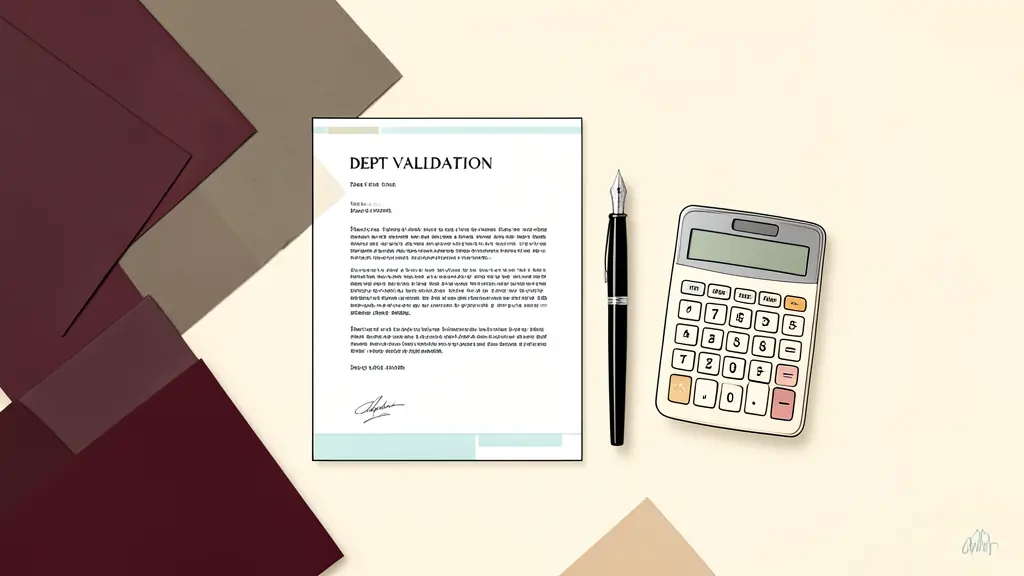
Cawley & Bergmann is a legitimate third-party debt collector based in New Jersey, not a scam, but legitimacy does not guarantee the accuracy of their claims. The immediate risk is not a fraudulent charge, but an aggressive pursuit of payment that can escalate into litigation if left unmanaged. Your first required action is to freeze all verbal admissions and demand written proof of the debt to secure your financial position.
Verify the Legitimacy of the Debt Before Engaging
When a collection notice arrives from cawley bergmann, the natural reaction is to determine if the entity is a fraud. While the firm is a recognized agency associated with consumer debt collection and litigation, verifying the company is only the first step. The real question is whether the specific debt they are claiming is actually yours, accurate in amount, and legally collectible.
Identifying the collector’s role
The agency often operates as a debt buyer or a third-party debt collector. This means they may have purchased a portfolio of accounts from an original creditor, or they are being paid a commission to recover funds on that creditor’s behalf. Because accounts change hands, the chain-of-title records can become blurred, leading to errors in the balance or the identity of the debtor.
The danger of immediate admission
Admitting to the debt over the phone is a strategic error. In many jurisdictions, a verbal acknowledgment can reset the statute of limitations on a time-barred debt, effectively reviving a claim that was previously legally uncollectible. Before you agree to any payment arrangement or acknowledge the balance, you must demand a debt validation notice to confirm the legal standing of the claim. To understand the boundaries of these interactions, review federal debt collection laws to see what is permitted during the recovery process.
Execute the Validation Process to Stop the Bleed
Stopping the aggressive cycle of calls and letters requires a formal, written challenge. You cannot rely on verbal promises from a representative to « look into it. » The only way to force a collector to prove their claim is through a structured dispute process that leverages your legal protections.
Requesting a formal validation notice
Under the Fair Debt Collection Practices Act, you have a 30-day validation window from the date of the first contact to dispute the debt. If you act within this timeframe, the collector must cease collection efforts until they provide verification of the debt. This verification should include the amount owed, the name of the original creditor, and proof that the collector has the legal right to collect.
Documenting the original creditor relationship
To properly execute your FDCPA rights, you must move all communication to a written format. This creates a paper trail that is essential if the case ever reaches a courtroom. Your validation request should demand the following:
- The name and address of the original creditor.
- A complete breakdown of the alleged debt, including principal, interest, and fees.
- Evidence of the assignment of the debt from the original creditor to the current buyer.
- A copy of the original signed contract or agreement.
- Verification that the debt is not time-barred under the applicable statute of limitations.
Once this request is sent via certified mail, the agency is legally obligated to provide the documentation or stop attempting to collect the debt.
Evaluate the Risks of Inaction and Escalation
Ignoring a debt collector is rarely a viable long-term strategy. While the initial phase consists of phone calls and letters, the process is designed to escalate. The goal of the agency is to create enough pressure to force a payment, and they have several tools at their disposal to increase that pressure.
Credit reporting and score impact
One of the first levers used is the threat of credit reporting damage. A delinquent account reported to the major credit bureaus can tank a credit score, making it difficult or more expensive to secure business loans or lines of credit. Even if the debt is disputed, the psychological and financial stress of a damaged credit profile can hinder operational growth.
The path to a lawsuit and default judgment
If the debt is not resolved or disputed, the agency may move toward a debt settlement negotiation or, more aggressively, a lawsuit. If you are served with a court summons and fail to respond, the court may issue a default judgment. This is a critical failure point: a judgment allows the collector to move beyond requests and into forced recovery. Depending on the jurisdiction, this can lead to a bank levy or wage garnishment, where funds are seized directly from your accounts or payroll to satisfy the debt.
Compare Your Resolution Options
Once the debt is validated, you face a strategic choice. You must weigh the cost of the payment against the cost of the risk. Paying in full stops the harassment immediately, but it may be more money than is necessary if the agency is willing to settle for a fraction of the balance to avoid the cost of litigation.
The risk of a collection agency lawsuit varies based on the amount of the debt and the agency’s history of litigation. Some agencies use the threat of a lawsuit as a bluff, while others, like those with a history of court filings, are more likely to follow through.
| Option | Financial Impact | Risk Level | Long-term Result |
|---|---|---|---|
| Full Payment | High (100% cost) | Low | Account closed, paid in full |
| Settlement | Medium (40-70% cost) | Low/Medium | Settled for less than full balance |
| Dispute | Low (Legal fees only) | High | Debt erased or leads to lawsuit |
Choosing a settlement is often the most pragmatic route for validated debts. It allows you to resolve the liability quickly while preserving cash flow, provided the agreement is documented correctly to prevent the remaining balance from being sold to another collector.
Secure Your Final Agreement and Protect Your Rights
The final step is the most dangerous: the payment. Many business owners make the mistake of paying a settled amount without a written guarantee that the account is closed. Without this, the agency could potentially claim the settlement was only a partial payment and continue to pursue the remaining balance.
The ‘Paid in Full’ written confirmation
Never send a payment until you have a written settlement offer letter. This document must explicitly state that the payment of a specific amount will satisfy the debt in full and that the agency will report the account as « paid in full » or « settled in full » to the credit bureaus. Ensure the agreement mentions the original creditor to avoid any confusion regarding which account is being closed. If the agency refuses to provide this in writing, do not send the funds.
When to bring in a collection attorney
If you are facing a court summons or if the agency is ignoring your validation requests while continuing to harass you, it is time to engage legal counsel. An attorney can help you file an FDCPA claim if the agency has violated consumer protection protocols. Knowing your legal rights against agencies ensures you are not bullied into paying a debt that is either inaccurate or legally expired.
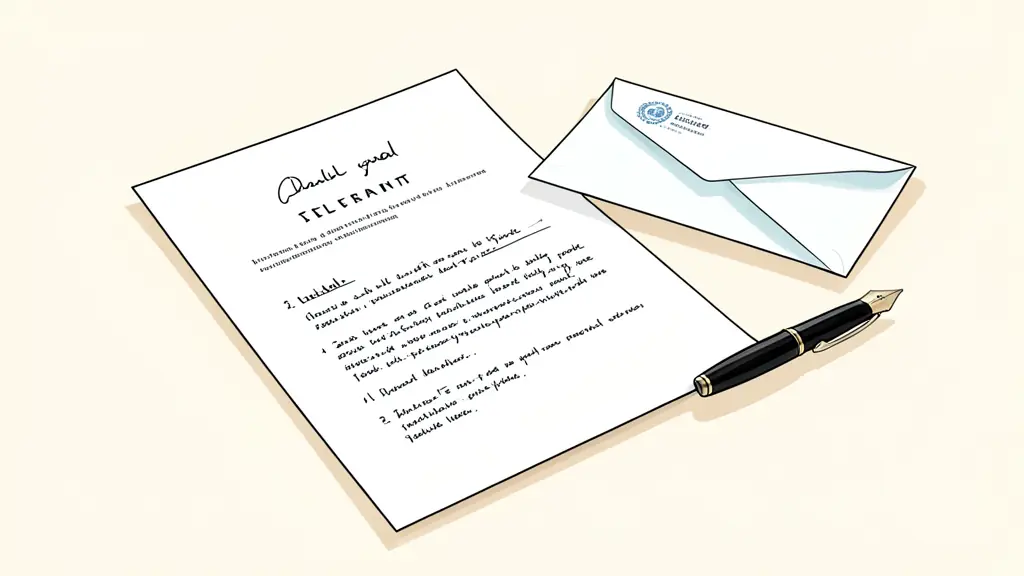
To finalize your resolution, compare the settlement offer against your current cash flow and verify the agency’s BBB complaint record to gauge their reliability. Once the agreement is signed, send your payment via a traceable method, such as a cashier’s check or a verified electronic transfer, and keep the confirmation receipt for at least seven years.
Envie d'aller plus loin ?
Laisse ton email, on te prévient dès qu'un nouvel article sort.