Laws for Debt Collection: What Collectors Can and Cannot Do
Know when the FDCPA applies, which collector conduct is prohibited, how to stop contact, and what evidence to preserve if your rights are violated.
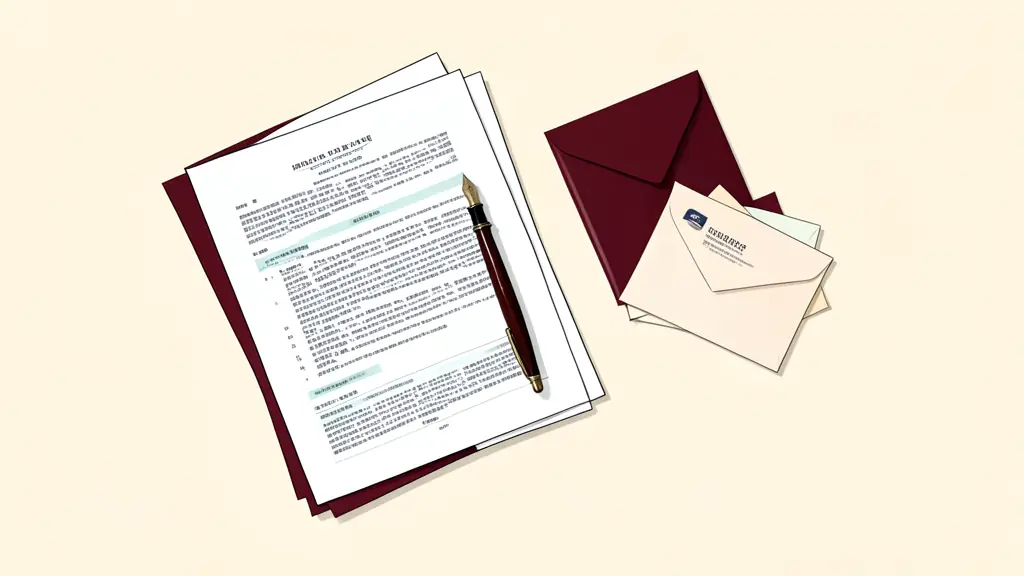
Federal law generally bars covered collectors from calling before 8 a.m. or after 9 p.m. in the consumer’s local time, using harassment or deception, and ignoring key communication rights. The practical verdict is less universal: these protections usually apply to consumer debts pursued by third parties, not every original creditor or business obligation. Before responding, identify the debt, identify who is collecting it, and preserve every communication.
No time to read?
- The FDCPA generally regulates third-party collectors pursuing personal, family, or household debts—not every original creditor or business debt.
- Covered collectors generally cannot call before 8 a.m. or after 9 p.m. in your local time without permission or special circumstances.
- Threats, deception, obscene language, public disclosure, and repeated contact intended to annoy or abuse can violate federal law.
- A written cease-communication request stops most contact, but it does not cancel the debt or necessarily prevent legal action.
- Preserve every notice, voicemail, call log, and delivery receipt before filing a complaint or seeking legal advice.
The FDCPA sets the federal baseline: not a rule for every debt
The Fair Debt Collection Practices Act sets federal rules for how covered debt collectors may pursue personal, family, and household debts. Among other restrictions, a covered collector generally cannot call before 8 a.m. or after 9 p.m. in the consumer’s local time, harass the consumer, misrepresent the debt, or disregard certain requests concerning communication and verification.
The critical limitation is scope. The federal statute generally governs a third-party debt collector pursuing consumer debt. It does not automatically cover an original creditor collecting its own accounts, and it generally does not cover business debt.
That distinction should guide every analysis of laws for debt collection. Do not assume conduct is federally prohibited merely because it is persistent or unpleasant. First determine what kind of debt is involved, who owns it, and who is making contact.
Classify the debt and the collector before relying on any protection
A collection letter may use terms such as collection agency, law firm, debt buyer, creditor, or account servicer. Those labels are clues, not final answers. The collector’s actual role and the nature of the obligation control the analysis.
| Debt and collector | Does the federal FDCPA generally apply? | How state law may differ | What to verify |
|---|---|---|---|
| Consumer debt handled by a third-party agency | Generally yes | A state may impose licensing rules, broader conduct restrictions, or additional remedies | The original creditor, current owner, agency identity, and whether the obligation is personal rather than commercial |
| Consumer debt handled by the original creditor | Generally no, subject to limited exceptions and the facts | Some states regulate original creditors directly | Whether the company still owns the account and is collecting under its own identity |
| Purchased defaulted debt | Potentially, but the result can depend on the buyer’s business and collection role | State definitions may cover debt buyers more broadly | When the debt was acquired, who owns it now, and whether the buyer or another firm is collecting |
| Business debt | Generally no, even when a third party is involved | State commercial collection rules and other laws may still apply | Whether the obligation was incurred for business or personal purposes, plus the collector’s licensing and authority |
This classification matters when evaluating alleged debt collector harassment. Conduct outside the federal FDCPA may still violate state law, licensing requirements, contract rules, or other legal restrictions. It simply requires a different legal path.
Law firms are not automatically exempt when they regularly collect covered debts. Likewise, calling a company a “creditor” does not settle whether it is functioning as an original creditor, debt buyer, or third-party collector.
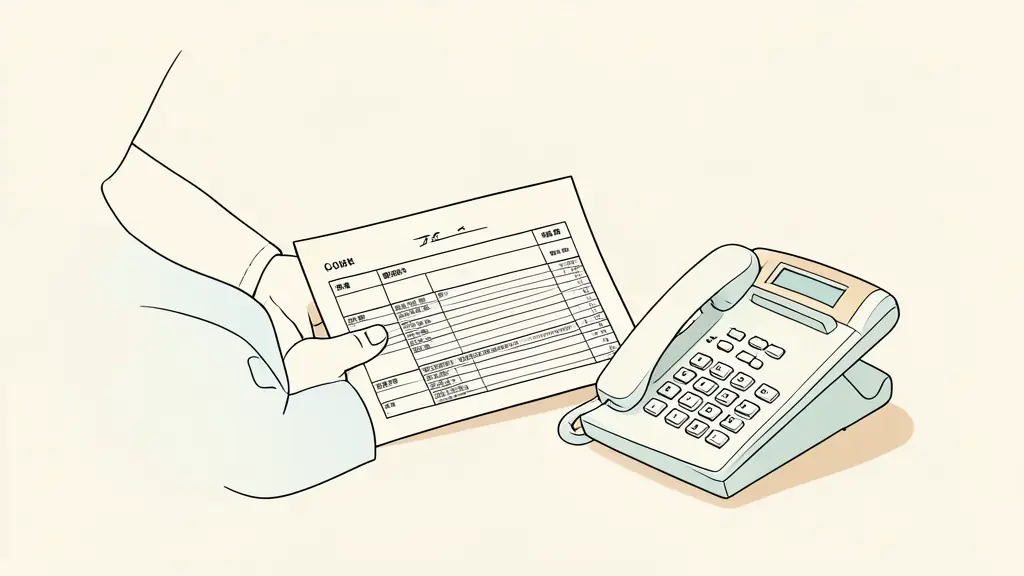
Contact limits, deception, and harassment under federal law
A request for payment can be unwelcome without being unlawful. The stronger question is whether a covered collector crossed a specific line through its timing, frequency, language, representations, or disclosure of the debt.
Potential violations include:
- Calling at times or places known to be inconvenient, including generally before 8 a.m. or after 9 p.m. in the consumer’s local time.
- Placing repeated calls with the intent to annoy, abuse, or harass.
- Using obscene, insulting, or abusive language.
- Threatening arrest, seizure, litigation, or another consequence that is unlawful or that the collector cannot or does not intend to pursue.
- Falsely claiming to be an attorney, government representative, court official, or another type of authorized party.
- Misrepresenting the amount, ownership, legal status, or likely consequences of the debt.
- Disclosing the debt publicly or discussing it with unauthorized third parties.
- Contacting a consumer at work after learning that the employer prohibits such communications or that the contact is inconvenient.
These conduct rules operate alongside debt validation rights. A collector’s tone may raise concern, but documentation showing what was said, when it was said, and who said it makes the complaint actionable.
Validate the debt before paying, admitting, or negotiating
A covered collector’s validation notice supplies essential information about the claimed obligation and the consumer’s opportunity to request information or dispute it. Act promptly after receiving that notice. Waiting can narrow practical options and make records harder to obtain.
Before paying or negotiating, compare:
- The name of the original and current creditor.
- The balance claimed and any stated interest, fees, payments, or adjustments.
- The account history and relevant dates.
- The collector’s legal name, address, and relationship to the creditor.
- The evidence connecting the account to the correct consumer.
- Any prior settlement, payment, dispute, bankruptcy, identity theft report, or account closure record.
A Debt Validation Letter should identify the disputed account clearly, request the relevant supporting information, and preserve proof of delivery. This guide to how to verify a collection notice before responding provides a practical review path.
Do not give bank account details, authorize an immediate withdrawal, or acknowledge an uncertain obligation simply to stop the calls. Verification and cease and desist debt collection are also different actions. One challenges or investigates the claim. The other addresses future communications and does not determine whether the balance is valid.
A written stop-contact request ends most communications: not the debt
For a covered collector, a clear written request can stop most further contact. Use a process that creates a reliable record:
- Identify yourself and the account without disclosing unnecessary financial information.
- State plainly that the collector must stop communicating with you.
- If appropriate, state separately that you dispute the debt or request validation.
- Keep a signed and dated copy of the request.
- Send it through a trackable method and retain delivery confirmation.
- Record any calls, letters, emails, or messages received afterward.
After receiving the request, a covered collector may still communicate to confirm that contact will stop or to notify the consumer of a specific remedy it is permitted to take. A stop-contact request does not cancel the debt. It may not prevent lawful credit reporting, assignment of the account, or a lawsuit.
Do not ignore court papers after sending the letter. A communication restriction is not a defense deadline extension. Also check state debt collection laws, which may provide broader rights or impose different requirements on the collector or creditor.

State laws may protect more people than the FDCPA
Federal law is a baseline, not necessarily the full limit of protection. State statutes may regulate original creditors, require collection agencies or debt buyers to hold licenses, restrict additional conduct, establish complaint procedures, or authorize remedies beyond those available under federal law.
Check the law of the relevant state before deciding that the FDCPA either applies or leaves no recourse. The correct state and likely outcome cannot be determined without knowing the parties’ locations, the debt’s consumer or business purpose, the collector’s role, and the specific conduct involved.
This is particularly important for business obligations. The federal FDCPA may not apply, but that does not give a commercial collector permission to deceive, threaten unlawful action, or disregard applicable state requirements.
Build an evidence file before reporting a violation
Turn scattered communications into a chronological evidence file before escalating the dispute:
- Preserve letters, envelopes, emails, voicemails, screenshots, and account statements.
- Maintain a call log with dates, times, telephone numbers, names, and a factual summary of each conversation.
- Save copies of validation requests, disputes, stop-contact letters, and delivery records.
- Identify the precise conduct at issue, such as an inconvenient call, false statement, third-party disclosure, ignored written request, or threat.
- Separate what can be proved from what is suspected.
- Submit an appropriate complaint to the Consumer Financial Protection Bureau (CFPB), Federal Trade Commission (FTC), relevant state attorney general, or state collection regulator.
- Consult a consumer-law attorney when the matter involves threatened or filed litigation, mistaken identity, identity theft, repeated violations, or substantial financial harm.
Match the response to the evidence. For an uncertain account, start with validation. For unwanted but otherwise lawful contact, use a documented communication request. For repeated or provable misconduct, file a regulator complaint. For a lawsuit, serious threat, or complex identity error, seek legal advice promptly.
Before taking legal action, recheck the governing state rules and the facts specific to the account, collector, communications, and deadlines. Prioritize documentation over verbal confrontation.
Envie d'aller plus loin ?
Laisse ton email, on te prévient dès qu'un nouvel article sort.